
Share the property details
Send the location, equipment, symptoms or planned changes, and who can approve the work. Existing labels and service records help define the request.
Now part of the
 family
Request heating, cooling or maintenance for your Listowel property. Choose the work and describe the equipment or symptoms. Coverage, pricing and appointments require confirmation.
Is something not working, or are you planning an installation or maintenance?
Choose the work you need and describe what changed, when it began, and which equipment is involved. For a planned project, include the outcome you want and any access or scheduling constraints.
View heat pump repair & installation services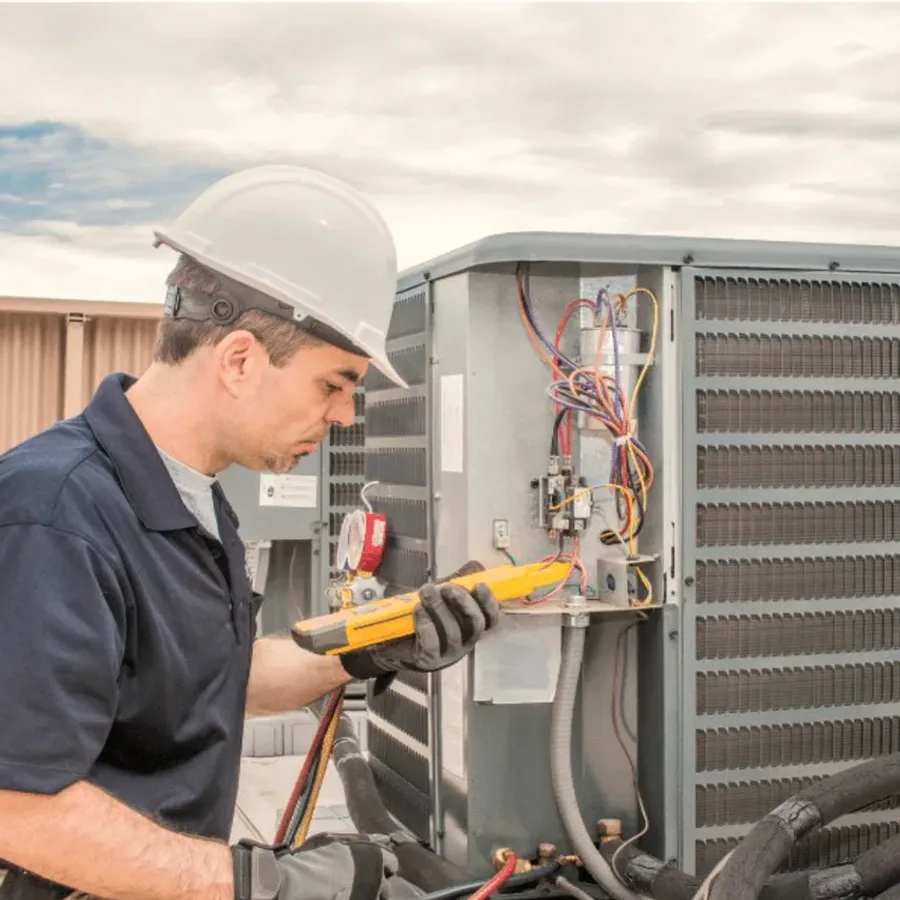
Describe the work first, then confirm the people, timing, and terms before making a commitment.
Send the location, equipment, symptoms or planned changes, and who can approve the work. Existing labels and service records help define the request.
The enquiry team reviews the request and shares it with a relevant service provider for follow-up using your contact details. Confirm contractor coverage, qualifications and how the property will be assessed before agreeing to an appointment.
Ask which findings support the work, what is included or excluded, and how completion will be checked. Agree on pricing and terms with the contractor.
Start with the installed equipment and its manufacturer instructions. Maintenance needs depend on the appliance and its use. Keep service records and ask a qualified contractor which seasonal inspections apply.
When requesting work for a property in Listowel or nearby Cambridge, Kitchener and Waterloo, agree on a mechanical design before the renovation closes access to ducts, controls, and wiring. Ask which contractor owns each interface and what happens if the planned envelope work changes. Record the final equipment models and commissioning sequence after the related construction and electrical work are complete.
Record whether the fault affects heating, cooling, or both, how the outdoor and indoor sections operate, and any error indications or recent repairs. Testing can compare airflow, controls, electrical components, defrost operation, and refrigerant-circuit evidence. For replacement planning, a heat-load assessment and review of ducted or ductless distribution inform equipment selection and installation scope.
Ice on an outdoor coil is not enough by itself to identify a failed part. Operating conditions, sensor readings, airflow, drainage, and the defrost sequence help determine whether the observation is expected for the model or signals a fault. A failed sensor or control and a refrigerant-circuit issue require different repairs. Persistent icing or reduced output should be assessed as a system fault, rather than addressed by repeatedly restarting the equipment.
Replacement selection starts with the heat load and how air is distributed, whether through existing ducts or indoor units in a ductless arrangement. Cold-climate and standard models have different operating characteristics, so intended heating use should guide the comparison. Existing duct condition, electrical requirements, and outdoor-unit placement can change the installation scope. Comparing these factors is more useful than selecting equipment by floor area or an old unit’s label alone.
A capacitor or sensor fault may be repairable, while a leaking coil, compressor problem, or recurring control failure can require a broader comparison. Consider the confirmed fault, the condition of other components, and repair history before deciding. Repeated breakdowns are relevant evidence, but a particular number of repairs does not automatically establish that replacement is preferable. Maintenance inspections should follow manufacturer instructions and respond to actual findings.
Share the property location and the work you need so the request can be reviewed.