A summer hydro bill has a way of telling the truth about your cooling system. When the number climbs without a heat wave to explain it, the air conditioner is usually fighting something fixable, and every extra hour of runtime is paying for that fight.
Long Cycles Are Normal; Nonstop Running Is Not
Ontario summers are humid, and humidity changes what your air conditioner has to do. Along with cooling, the system wrings moisture out of the air, and damp air takes much longer to treat than dry air. During a muggy July stretch, even a healthy system runs longer cycles than usual.
The line to watch is whether the system ever shuts off. A properly working unit labours through the afternoon and recovers in the evening. One that runs around the clock is telling you it cannot handle the load, and every cause behind that has a name.
Three Signs It's the Equipment, Not the Ducts
All vents weak, everywhere. One quiet vent points to a duct issue; every vent showing the same weak flow points to the blower, filter, or coil. Ice on the refrigerant lines. Frost means low refrigerant or a starved coil, and it needs a professional. Audible strain. A blower that has gotten noticeably louder over the season is telling you something.
The Equipment Issues
An aging unit. Capacity fades with age, and a system that once handled humid heat easily now runs all afternoon, especially once the weather turns muggy. An undersized unit. If the equipment was never matched to the home, it will fall behind every summer no matter how well it is maintained. Both issues often get misread as a maintenance problem, which is why testing beats guessing: a technician can measure capacity directly instead of assuming.
Refrigerant, the Envelope, and the Numbers
Low refrigerant. Removes the working fluid that carries heat outside, so every cycle delivers less cooling. Poor insulation and air leaks. Add cooling load the equipment was never meant to carry, often making a healthy unit behave like a failing one.
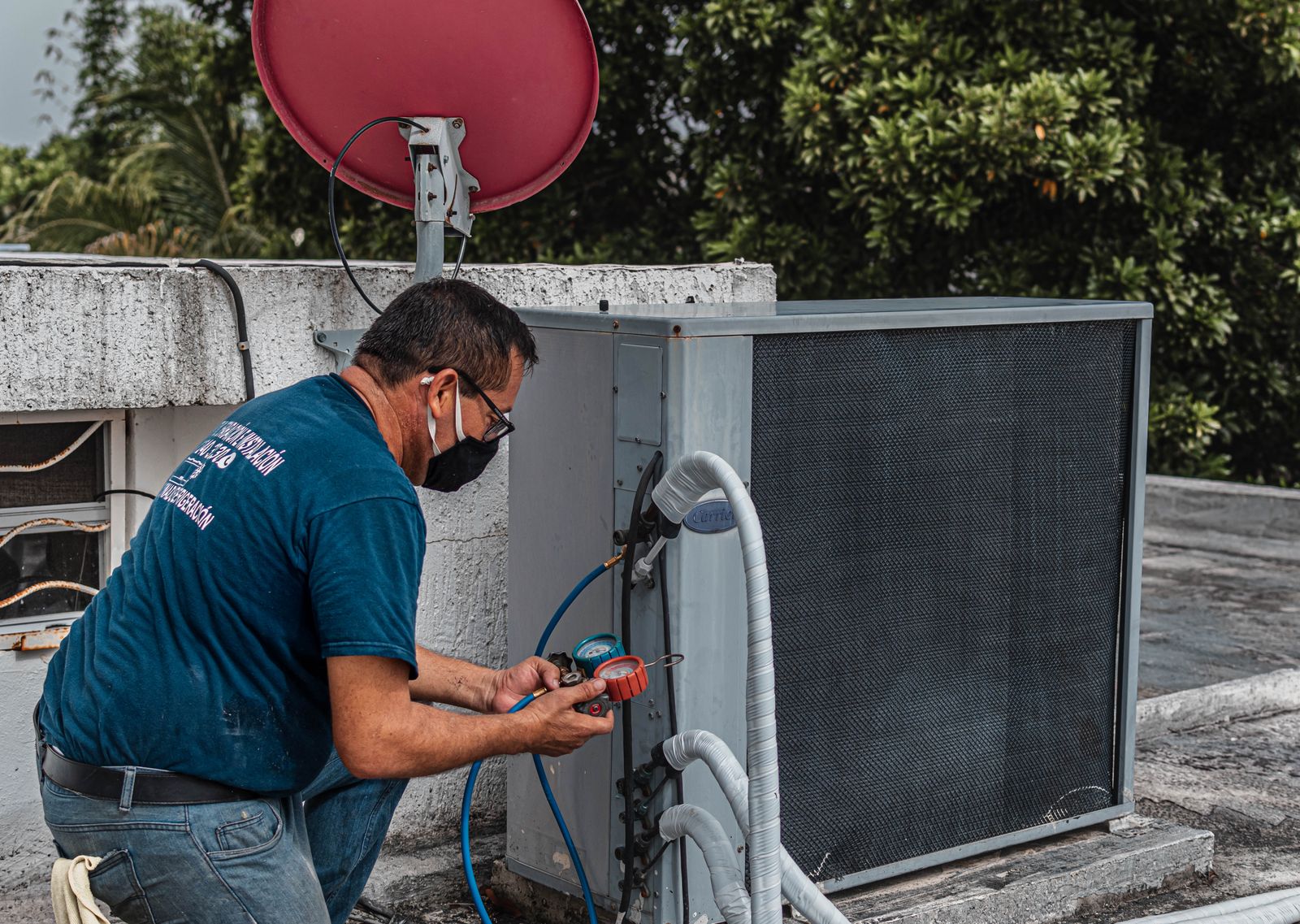
A Listowel Heating & Cooling service visit tests the system under real conditions: measuring airflow, verifying the charge, and comparing the unit's capacity against the home's actual cooling load. That last step settles questions with numbers instead of opinion, and it often costs less than a single premature repair.
The Silent Efficiency Thieves
A clogged filter. A full filter can add hours of runtime per week by choking airflow, and checking it takes two minutes. Dirty coils. Dust on the indoor and outdoor coils slows heat exchange, so the system burns electricity while moving less heat than it should. A crowded condenser. The outdoor unit needs open space to dump heat; leaves, planters, and stored items pressed against it force longer cycles straight onto your hydro bill.