A furnace or air conditioner is one of the most expensive machines in a Listowel home, and its warranty comes with strings attached. Most manufacturers expect proof of regular professional service before they will honour a major claim. Here is what that fine print actually asks for, and the schedule that satisfies it without any drama.
Is HVAC Maintenance Really Necessary?
It is, and the reason is simple arithmetic. Your equipment runs more hours per year than the average car, in dustier conditions, and nobody questions whether a car needs oil changes. Wear happens whether or not anyone is watching.
Professional service is how someone watches. Refrigerant gets checked before a small leak becomes a dead compressor. Burners get cleaned before dirt and soot push up your gas bill. Connections get tightened before a loose wire takes out a control board. A system that gets this attention twice a year keeps delivering the comfort you paid for instead of slowly losing it.
A Calendar Built Around Two Busy Seasons
Ontario gives heating and cooling equipment two hard stretches a year, and the service schedule should mirror them. Spring belongs to the air conditioner: it has collected dust and debris since September, and a tune-up in April or May means it meets its first hot week ready. Fall belongs to the furnace: an inspection in September or October finds combustion and safety issues while they are still quiet.
Space the visits roughly six months apart. That interval is short enough that nothing drifts far, and long enough that each visit has real work to do.
What the Technician Actually Does
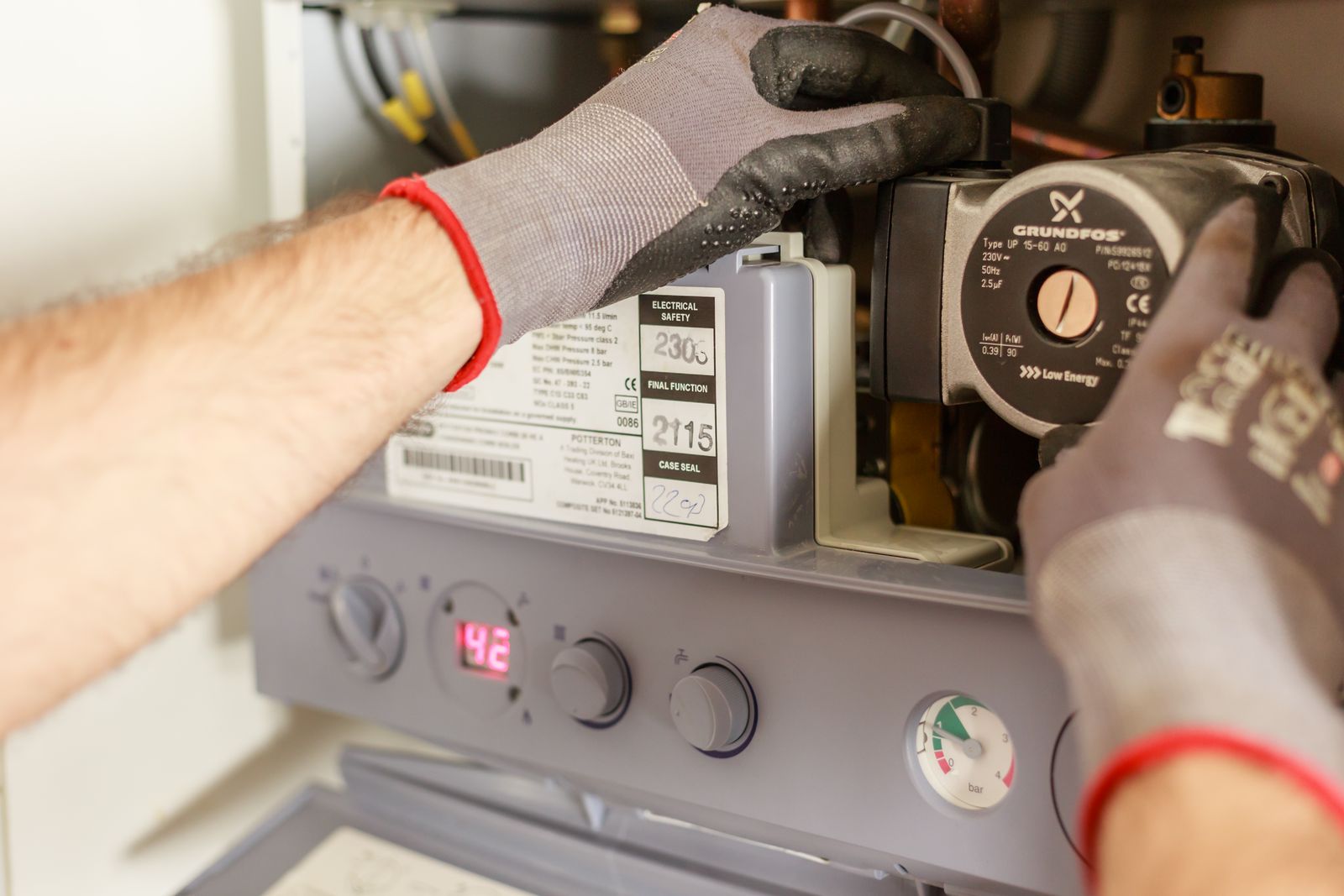
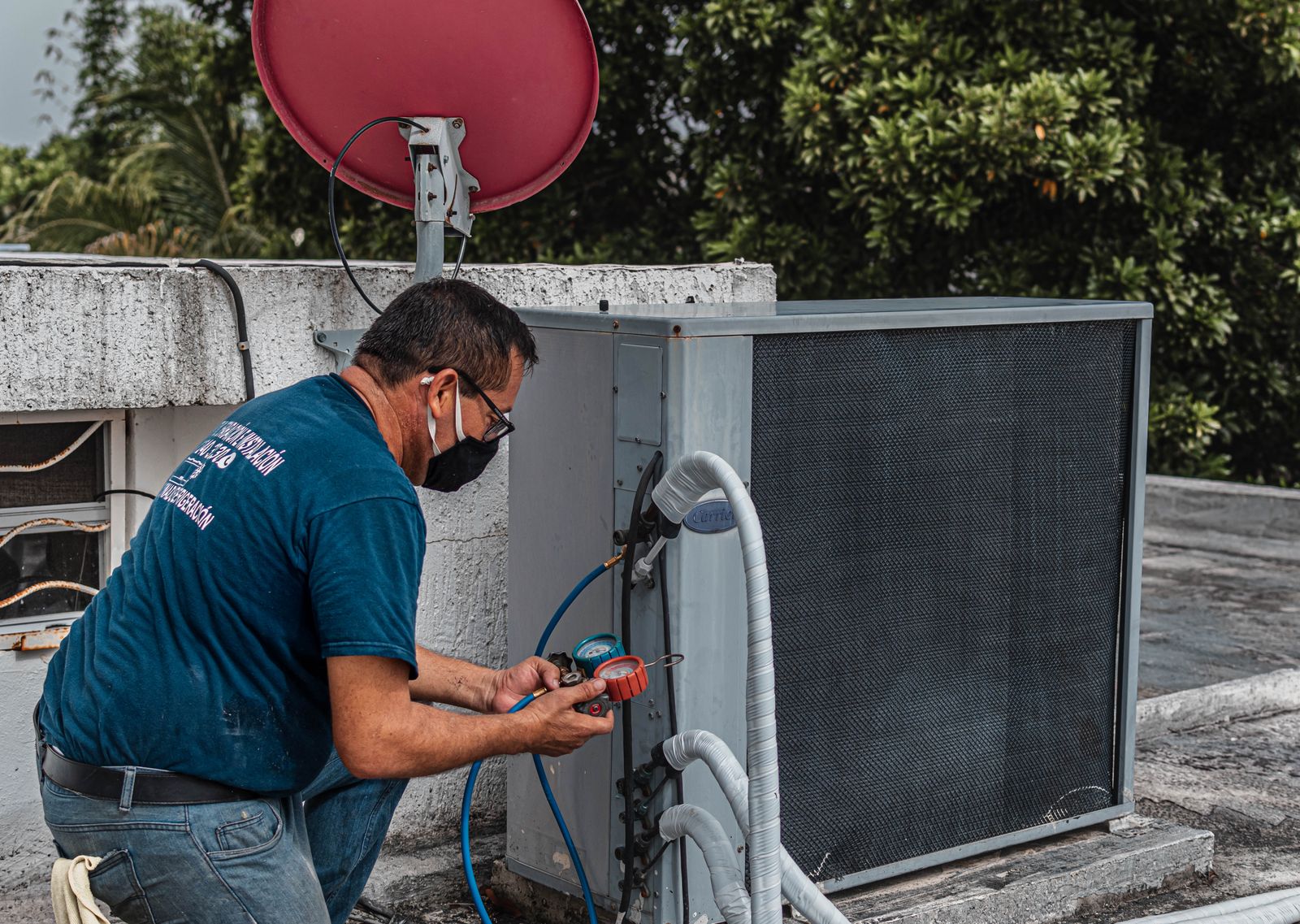
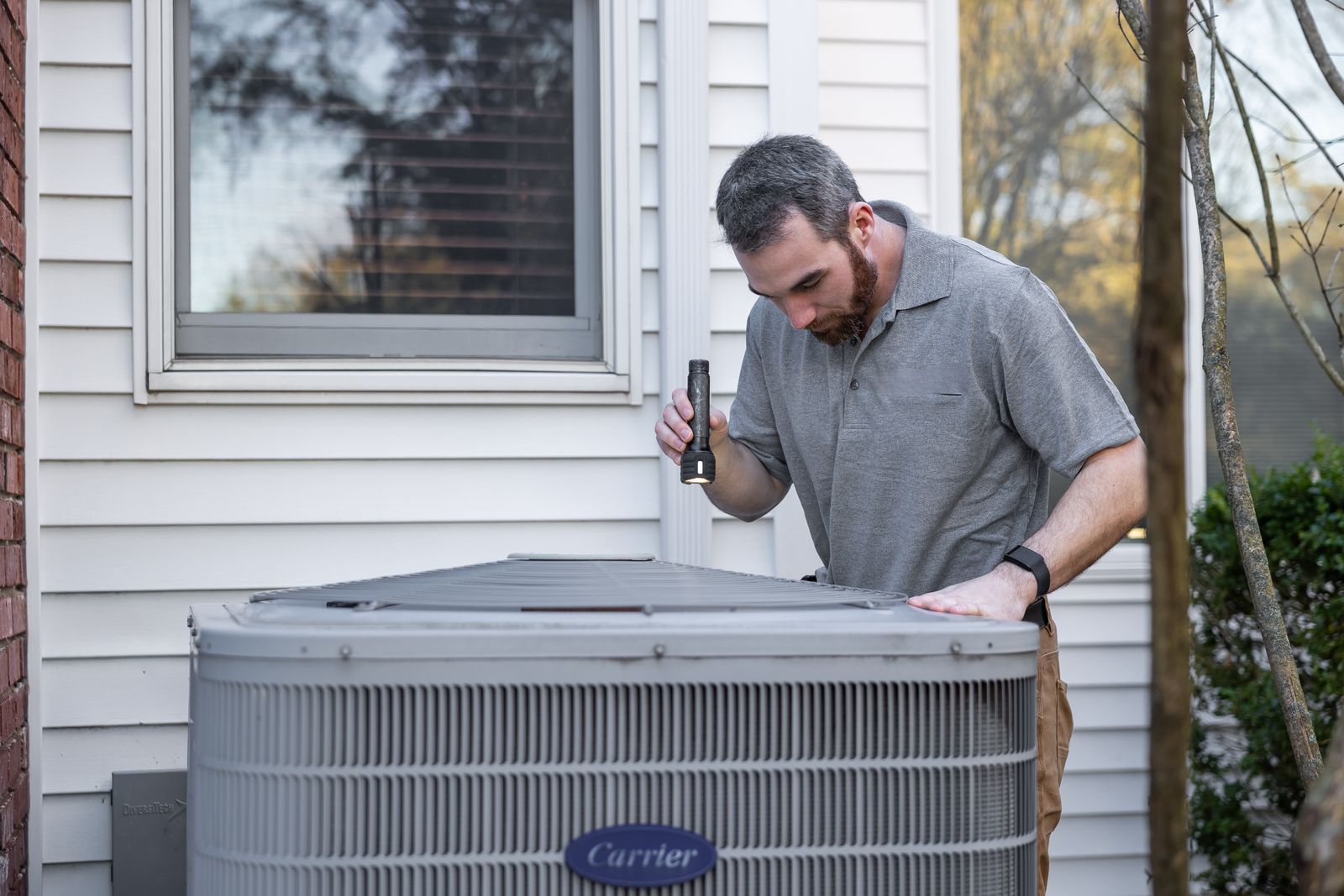
Plan on about an hour per visit, and plan on questions being answered in plain language. The cooling visit walks through refrigerant, coils, electrical parts, thermostat, and airflow. The heating visit walks through the heat exchanger, burners, gas connections, ignition, and venting, with a carbon monoxide safety review built in.
Both visits end the same way: a new filter, a system tested end to end, and a summary of anything found, from a minor adjustment made on the spot to a part worth watching next season.
Fewer Breakdowns, Lower Bills, Longer Life
The benefits of maintenance compound in three directions at once. Efficiency: clean coils, clear filters, and tuned burners mean shorter run times and visibly lower energy bills. Reliability: problems get caught at routine prices instead of emergency ones, which is why maintained homes see far fewer mid-season failures. Lifespan: equipment that is cleaned and adjusted every six months simply lasts longer, often years longer than the same units would have managed neglected.
Add it up and maintenance is one of the rare expenses that pays a return every month, not just at breakdown time.
Filters count as maintenance too. Some warranty disputes trace back to airflow damage from filters that were never changed, which is why filter replacement appears on most manufacturer care lists. Check yours monthly, replace it every one to three months, and write the date on the frame. That habit, plus annual professional service, keeps both the equipment and its coverage defensible.