Furnace trouble has a way of compounding. The part that rattles today wears the part beside it tomorrow, and the repair bill grows with every week of waiting. Here is a look at the five signs that your system is asking for attention, what each one means in plain terms, and what it is likely to cost you if nobody answers it.
Sounds That Mean a Part Is Failing
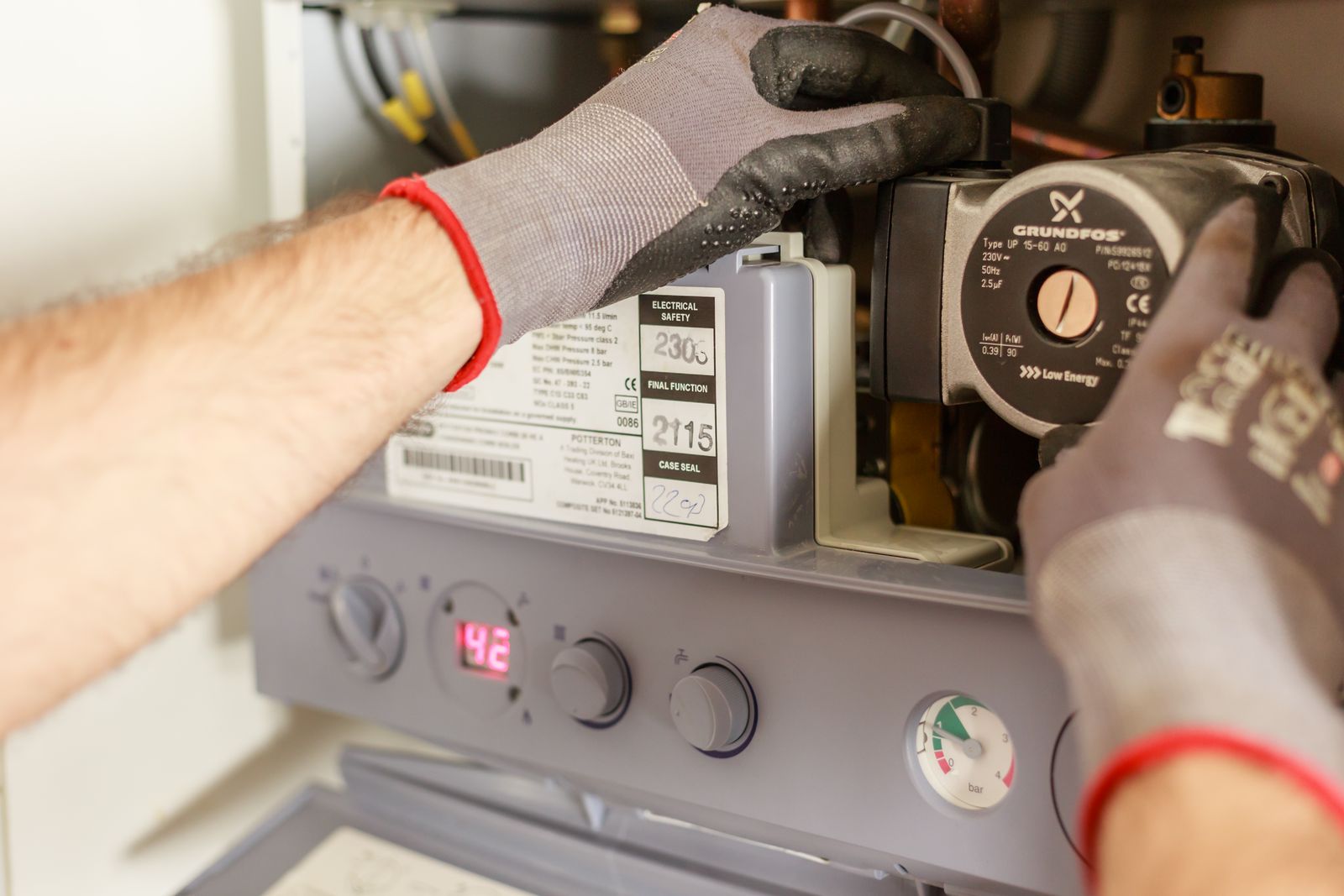
Noise is the furnace reporting on its own parts. A screech or grind means friction: blower bearings or a belt nearing failure, and the motor behind them is what pays for the delay. Rattling means looseness, most often a panel, fastener or duct fitting vibrating in the airstream. Rapid clicking at ignition means the burner is struggling to light, a pattern that points to the igniter or flame sensor. A loud bang when the burner finally catches deserves urgent attention, since that can indicate delayed ignition.
The Rooms That Stay Cold
Uneven heating is a symptom, not a quirk of the house. When the same rooms lag winter after winter, suspect ducts that leak or deliver out of balance, a blower that can no longer push air to the far runs, or a thermostat reading one warm spot and calling it the whole house. Weak register airflow confirms it. Air that trickles rather than streams points to a clogged filter, a duct restriction or a blower losing capacity. The system runs longer to compensate, wearing parts it should not have to.
What a Diagnostic Visit Covers
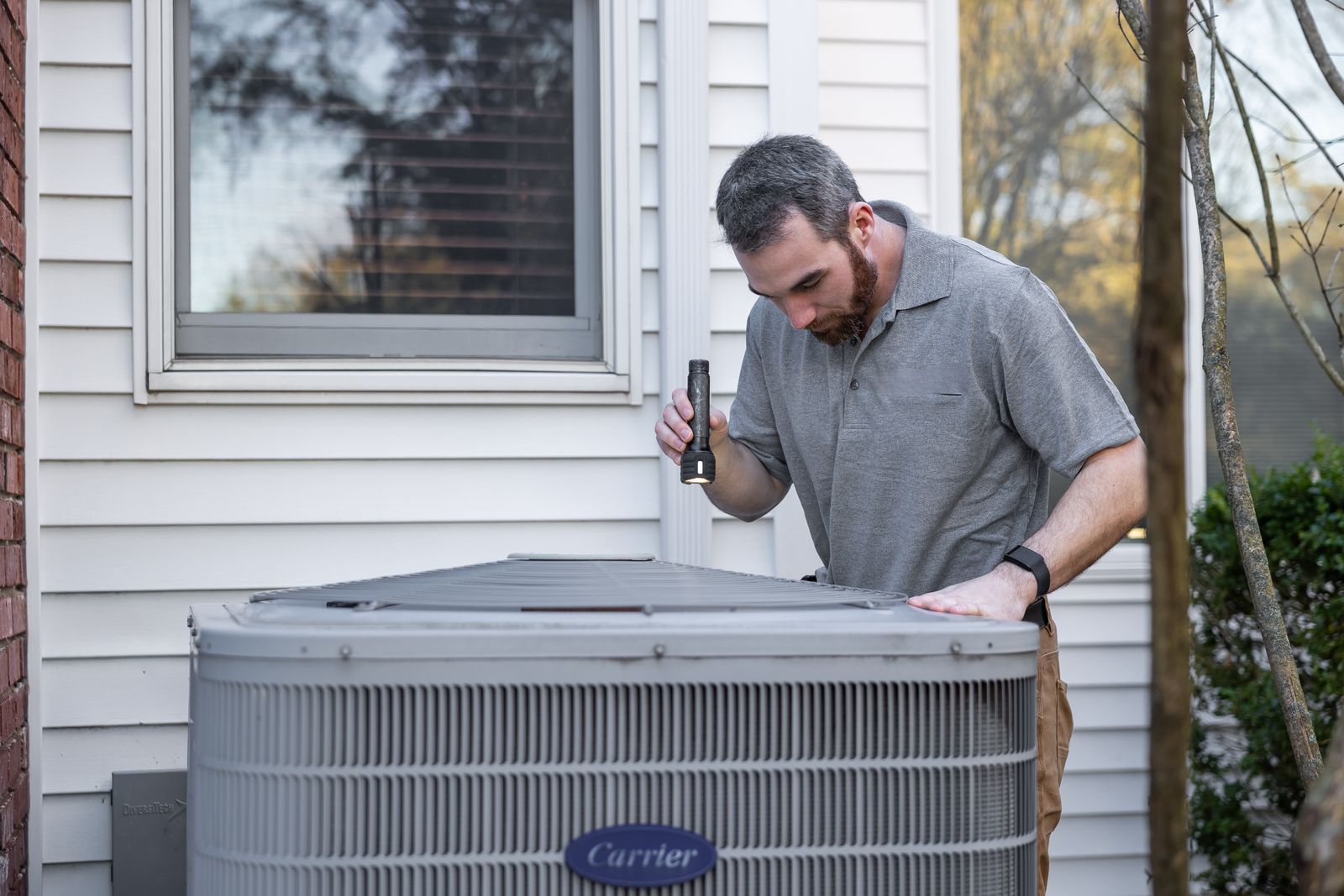
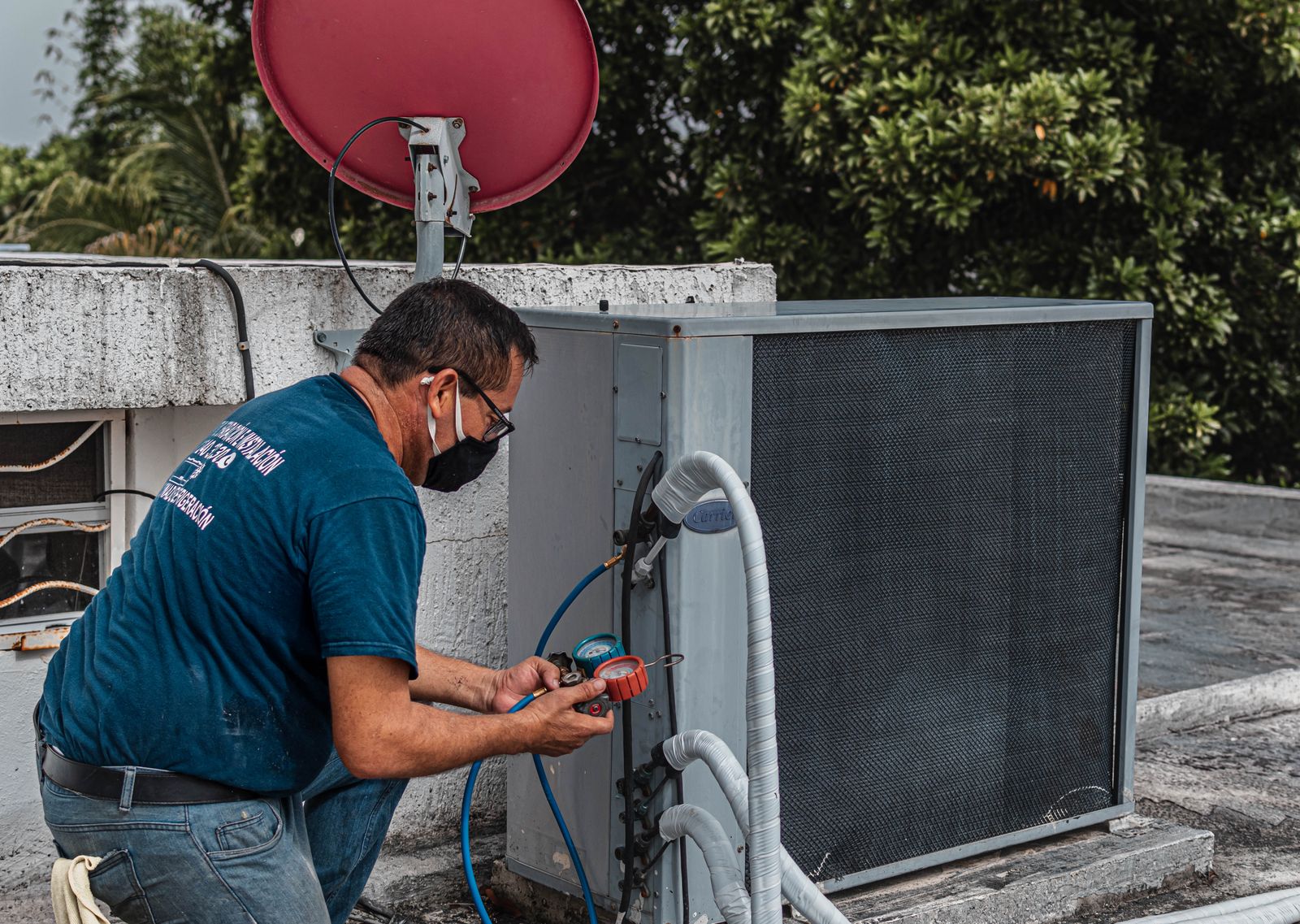
A proper diagnostic is more than a glance. Expect the technician to inspect the burners and heat exchanger, test the flame and ignition, check the blower and belts, measure airflow across a clean filter, verify the thermostat, and test around the unit for carbon monoxide. You leave with a clear explanation of anything found, plus repair options in order of urgency and firm pricing before any work begins.
Every week a warning sign goes unanswered, the likely repair gets bigger. Bearings screech, then the motor fails. Filters clog, then the limit switch trips. The cheapest version of any furnace problem is the early one, and the early one is only available for a limited time.
The Meter and the Thermostat Agree
Higher bills without a colder month. Efficiency losses hide in plain sight on your gas bill. When the burn gets dirtier or the blower works harder, runtime grows and so does the cost of every degree, and comparing the same months across years separates a rate increase from a furnace problem. Frequent cycling. A system that shuts off after a few minutes, rests and starts again is short cycling. Clogged filters, thermostat faults, poor airflow and overheating protection can all trigger it, and the constant starting and stopping shortens equipment life while it inflates the bill.
Safety Beats Schedule
A yellow pilot light outranks every other sign. Clean combustion burns blue. A yellow or orange flickering flame means fuel is burning incompletely, which raises the possibility of carbon monoxide, an odourless gas whose early symptoms are easy to dismiss as fatigue. If the flame looks wrong, stop running the furnace, check the CO alarms near the bedrooms, and get everyone out and call from outside if an alarm sounds or the house smells of gas. Then book a licensed inspection the same day. Listowel Heating & Cooling answers combustion safety calls first, because acting early is the whole point.